This Is How I Stayed Ahead of Illness—My Real Long-Term Prevention Plan
I used to think health was just about fixing problems when they showed up. Then I learned the hard way—true wellness is about staying ahead. This is my story of shifting from reaction to prevention, building a sustainable rehab-informed routine that’s not about quick fixes, but lasting resilience. It’s not perfect, but it’s real—and it’s changed how I live every day. What started as a quiet decline—persistent fatigue, unexplained joint stiffness, and a growing sense of being out of sync—eventually led to a diagnosis that wasn’t life-threatening, but life-altering. It wasn’t a crisis, but a warning. And that warning changed everything.
The Wake-Up Call: When "Fine" Wasn’t Enough
For years, I operated under the illusion of being "fine." I wasn’t bedridden, I wasn’t hospitalized, and I could still manage my daily responsibilities. But fine, I came to realize, isn’t the same as thriving. The truth crept in gradually: mornings became harder to face, energy dipped by midday, and minor aches I once brushed off turned into consistent discomfort. I dismissed it as aging, stress, or simply the cost of a busy life. But when a routine check-up revealed early signs of metabolic imbalance and chronic inflammation—markers linked to long-term disease risk—I had to confront the reality: my body had been sending signals for years, and I hadn’t listened.
The diagnosis wasn’t dramatic. No emergency, no surgery, no urgent intervention. But that’s what made it so powerful. It wasn’t a crisis demanding immediate action—it was a slow, insistent whisper that long-term health doesn’t maintain itself. The emotional aftermath was complex. There was frustration at having ignored the signs, regret for years of passive habits, but also a deep motivation to change. I realized that waiting for a major illness to act wasn’t just risky—it was a choice. And I decided to make a different one. That moment marked the shift from reacting to illness to actively preventing it.
This transition wasn’t fueled by fear, but by a growing understanding that health is cumulative. Every meal, every night of sleep, every decision about movement or rest contributes to the foundation of long-term wellness. I began to see my body not as a machine to push until it breaks, but as a living system that responds to care, consistency, and attention. The wake-up call wasn’t about a single condition—it was about recognizing that prevention isn’t something you start when you’re sick. It’s something you build when you’re well, so you can stay that way.
Rehab as a Mindset, Not Just Recovery
My journey toward prevention was deeply influenced by an unexpected source: rehabilitation. After addressing the initial health concerns, I worked with a physical therapist to rebuild strength and mobility. What surprised me wasn’t just the physical improvements, but the philosophy behind rehab itself. It wasn’t about dramatic transformations or extreme measures. It was about consistency, gradual progression, and attentive monitoring—principles that, I realized, apply far beyond recovery from injury.
Rehab taught me that healing isn’t linear, and neither is health. Progress comes from small, repeated actions, not heroic efforts. This mindset shift was transformative. I began to see preventive health not as a separate goal, but as an extension of the same disciplined, compassionate approach used in rehab. Instead of waiting for something to go wrong, I started applying rehab principles to my daily life—treating my body with the same care and intention as if I were recovering from an injury, even when I felt fine.
For example, I incorporated simple movement routines into my mornings—gentle joint mobilizations, posture corrections, and breathing exercises adapted from physical therapy. These weren’t intense workouts, but deliberate practices to maintain function and prevent deterioration. I learned to check in with my body regularly, noticing subtle changes in how I moved or felt, just as a rehab patient would track progress. This proactive awareness became a cornerstone of my prevention strategy. By treating self-care as an ongoing process, not a response to crisis, I built a routine that wasn’t about fixing problems, but about preventing them before they started.
Building a Prevention-First Routine: Small Shifts That Stick
One of the biggest lessons I’ve learned is that sustainability beats intensity every time. It’s easy to get excited about rigorous regimens or extreme diets, but what matters most is what you can maintain over years, not days. My prevention-first routine isn’t flashy or extreme. It’s built on small, consistent shifts that have become automatic over time—habits so integrated into my life that they no longer feel like effort.
My day begins with a 10-minute mobility sequence: shoulder rolls, spine articulations, ankle circles, and diaphragmatic breathing. These movements, borrowed from rehab protocols, help lubricate joints, improve circulation, and signal to my nervous system that the day has begun with care. I don’t do this because I’m injured—I do it because I want to stay strong and mobile as I age. The science is clear: maintaining joint range of motion and neuromuscular coordination reduces the risk of future injury and supports long-term independence.
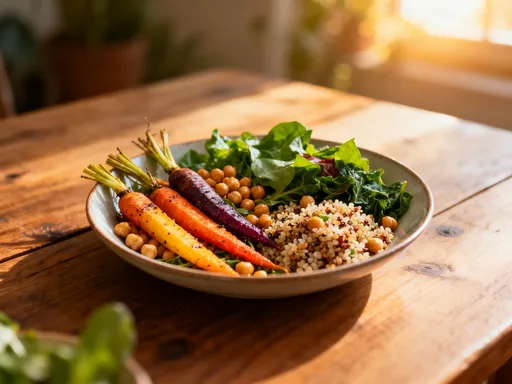
Throughout the day, I focus on hydration and mindful eating. I keep a water bottle nearby and aim for consistent intake, not because I’m chasing a number, but because proper hydration supports cellular function, digestion, and energy levels. Meals are built around whole foods—vegetables, lean proteins, whole grains, and healthy fats—chosen for their nutrient density and ability to stabilize blood sugar. I don’t count calories or eliminate entire food groups. Instead, I prioritize balance and consistency, knowing that stable energy and reduced inflammation are key to long-term disease prevention.
In the evening, I wind down with a digital detox and a simple stretching routine. This isn’t just about physical relaxation—it’s about signaling to my body that it’s time to shift into rest mode. Sleep, I’ve learned, is one of the most powerful preventive tools we have. By creating a predictable, calming routine, I support my body’s natural repair processes. These small shifts may seem minor on their own, but together, they form a daily rhythm of care that has become the foundation of my health.
Movement That Protects: Exercise as Long-Term Armor
Exercise is often framed as a tool for weight loss or appearance, but I’ve come to see it as a form of long-term protection. The goal isn’t to burn the most calories in a single session, but to build a body that can move well, recover quickly, and resist injury over decades. This shift in perspective changed how I approach physical activity. I no longer chase intensity—I prioritize function, balance, and sustainability.
My current routine includes three key types of movement: strength training, flexibility work, and aerobic activity. Strength training, two to three times per week, focuses on functional movements—squats, lunges, push-ups, and rows—that support joint stability and bone density. As we age, muscle mass naturally declines, increasing the risk of falls and metabolic slowdown. By maintaining strength, I’m investing in both mobility and metabolic health.
Flexibility and mobility work are equally important. I dedicate time daily to stretching and foam rolling, not to achieve extreme ranges of motion, but to preserve what I have. Tight muscles and restricted joints increase the risk of strain and imbalance. By maintaining flexibility, I reduce mechanical stress on my body and support efficient movement patterns. Aerobic activity—brisk walking, cycling, or swimming—supports cardiovascular health, immune function, and mental clarity. I aim for consistency over speed or distance, knowing that regular, moderate activity has profound long-term benefits.
One of the most important adjustments I made was stepping away from high-impact, high-intensity workouts that once left me sore and drained. While those routines felt productive in the short term, they often led to joint discomfort and burnout. Now, I listen to my body. If I’m fatigued or notice lingering soreness, I scale back. Overtraining can weaken the immune system and increase inflammation—counterproductive to the very goal of prevention. Exercise, when done wisely, is armor. But when pushed too hard, it can become a source of harm. The key is balance—challenging the body enough to grow stronger, but not so much that it breaks down.
Fueling Resilience: Nutrition Without the Hype
Nutrition is one of the most powerful levers for long-term health, yet it’s also one of the most confusing. Fad diets, miracle supplements, and conflicting advice make it hard to know what truly works. My approach has been to strip away the noise and focus on what’s sustainable and science-backed: a diet centered on whole, minimally processed foods that support cellular health, gut function, and metabolic balance.
I don’t follow any extreme diet—no keto, no carnivore, no juice cleanses. Instead, I eat a variety of vegetables, fruits, whole grains, legumes, lean proteins, and healthy fats. This pattern aligns with decades of research linking plant-rich diets to lower risks of heart disease, type 2 diabetes, and certain cancers. Fiber, in particular, plays a crucial role. It supports gut microbiome diversity, which is increasingly recognized as a key player in immune regulation, inflammation control, and even mental health.
One of the most impactful changes I made was stabilizing my blood sugar. I used to rely on quick carbs—pastries, sugary coffee, white bread—for energy, only to crash an hour later. Now, I pair carbohydrates with protein and fat, which slows digestion and prevents spikes and dips in energy. This simple shift has improved my focus, reduced cravings, and lowered my risk of insulin resistance—a precursor to many chronic conditions.
I also avoid the trap of relying on supplements as a safety net. While certain vitamins may be necessary for specific deficiencies, I don’t believe in magic pills. Real nutrition comes from food. I get vitamin D from sunlight and fatty fish, calcium from leafy greens and dairy, and omega-3s from walnuts and salmon. When I do use supplements, it’s under the guidance of a healthcare provider, not based on trends or marketing. Nutrition, like all aspects of prevention, is about consistency, not shortcuts.
Mindset and Monitoring: The Invisible Pillars
Physical habits are important, but they’re only part of the story. Two of the most powerful tools in long-term prevention are often invisible: mindset and monitoring. How we think about our health, and how we track it, shapes our ability to sustain change over time. I’ve learned that emotional resilience, stress management, and self-awareness are just as critical as diet and exercise.
Sleep, for instance, is non-negotiable. I track my sleep patterns using a simple journal, noting bedtime, wake time, and quality of rest. Poor sleep disrupts hormone balance, weakens immunity, and increases inflammation—undermining every other healthy habit. By prioritizing a consistent sleep schedule and creating a calming bedtime routine, I support my body’s nightly repair processes.
Stress management is equally vital. Chronic stress elevates cortisol, which over time can contribute to weight gain, high blood pressure, and impaired immune function. I’ve incorporated daily mindfulness practices—brief meditation, deep breathing, or even quiet walks—to help regulate my nervous system. These moments of stillness aren’t luxuries; they’re essential maintenance for long-term health.
Regular check-ins with my healthcare provider complete the picture. I don’t wait for symptoms to appear. Annual blood work, blood pressure checks, and open conversations about how I’m feeling allow for early detection and course correction. Monitoring isn’t about obsession—it’s about awareness. By staying informed, I can make adjustments before small issues become big problems. This proactive, informed approach has given me a sense of control and confidence in my health journey.
Staying the Course: Why Long-Term Wins Over Quick Fixes
Looking back, the most meaningful changes haven’t been dramatic. There was no single breakthrough, no miracle transformation. Instead, progress has been slow, steady, and cumulative. Over the years, I’ve noticed subtle but significant gains: more energy throughout the day, fewer colds and infections, faster recovery from physical exertion, and a greater sense of well-being. These aren’t flashy results, but they reflect the true goal of prevention: not just avoiding illness, but enhancing quality of life.
Of course, there have been setbacks. Periods of stress, travel, or illness have disrupted my routine. Old habits have crept back in. But I’ve learned to view these not as failures, but as part of the process. Long-term health isn’t about perfection—it’s about resilience, the ability to return to your habits after a detour. Each time I’ve restarted, I’ve done so with more compassion and understanding than before.
What’s become clear is that preventive healthcare isn’t a one-size-fits-all program. It’s deeply personal, shaped by individual needs, preferences, and life circumstances. My rehab-inspired routine works for me, but it’s not a prescription for anyone else. The core principle—that health is built through consistent, intentional action—can be adapted by anyone. It’s not about doing everything perfectly, but about doing something consistently.
True health isn’t about avoiding illness once—it’s about building a life that resists it daily. This journey taught me that prevention isn’t passive; it’s active, intentional, and deeply personal. My rehab-inspired routine isn’t flashy, but it’s working. And while I’m not immune to challenges, I’m far better equipped. This isn’t medical advice—just one person’s path to staying strong, long-term. Maybe it can inspire your own.