Why I Swear by This Vegetarian Life for Staying Healthy
More people are turning to plant-based eating, not just for ethics or the planet—but for real health protection. I used to think vegetarianism was just salads and missing out, but after making the switch, I noticed changes I never expected. From steady energy to fewer colds, it’s been a game-changer. Science backs it up: a well-planned vegetarian diet can help prevent chronic diseases like heart disease, type 2 diabetes, and even some cancers. This is not about perfection—it’s about smarter, sustainable choices that protect your body over time.
The Wake-Up Call: When Health Became a Priority
For many women in their 30s, 40s, and beyond, health often takes a backseat to family, work, and endless daily responsibilities. The moment of realization usually comes quietly—perhaps during a routine check-up when the doctor mentions slightly elevated blood pressure, or when a favorite pair of jeans no longer fits despite no major changes in lifestyle. Fatigue becomes a constant companion, energy dips after lunch, and colds seem to linger longer than they used to. These are not just signs of aging—they are signals from the body asking for better care.
Traditional approaches like skipping meals or following trendy diets rarely offer lasting results. Many find themselves stuck in a cycle of temporary fixes that lead to frustration and even more weight gain over time. Restrictive eating can backfire, slowing metabolism and increasing cravings. The body responds best to nourishment, not deprivation. This is where a shift toward plant-based eating begins to make sense—not as another diet trend, but as a long-term, preventive health strategy grounded in science.
Over the past few decades, numerous studies have shown that populations consuming predominantly plant-based diets tend to have lower rates of chronic illness. The Adventist Health Studies, for example, have followed tens of thousands of people for decades and consistently found that vegetarians have a reduced risk of heart disease, hypertension, and certain cancers compared to their meat-eating counterparts. These findings aren’t about extreme restrictions or exotic superfoods—they reflect the cumulative effect of daily food choices centered around whole, unprocessed plant foods.
The decision to embrace vegetarianism often starts not with ideology, but with a personal health wake-up call. It’s not about giving up flavor or satisfaction; it’s about redefining what it means to eat well. When the goal shifts from short-term weight loss to long-term vitality, the motivation changes. Eating becomes an act of self-care, a way to honor the body that carries us through life’s many roles. This mindset shift is what makes the change sustainable.
What a True Vegetarian Diet Actually Is (And What It’s Not)
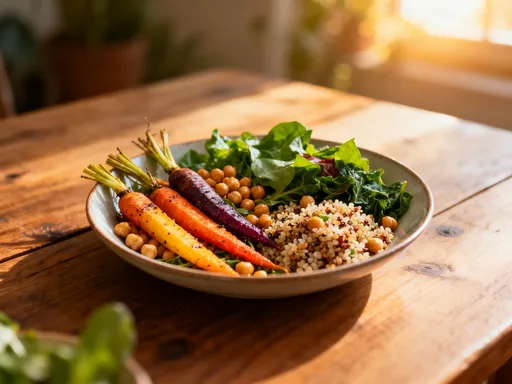
A common misconception about vegetarian eating is that it revolves around salads, pasta, and cheese. In reality, a well-structured vegetarian diet is rich in variety, color, and texture. At its core, it includes whole grains like brown rice, quinoa, and oats; legumes such as lentils, chickpeas, and black beans; a wide range of vegetables and fruits; and healthy fats from nuts, seeds, and avocados. These foods work together to provide balanced nutrition that supports energy, digestion, and long-term wellness.
It’s important to distinguish between a healthy vegetarian diet and what some call “junk food vegetarianism.” Just because a food is meat-free doesn’t mean it’s healthy. French fries, sugary cereals, and processed snacks like veggie chips or frozen vegetarian meals high in sodium are technically vegetarian but lack the nutrients the body truly needs. Relying on these items can lead to nutrient deficiencies, blood sugar imbalances, and weight gain—defeating the purpose of the dietary shift.
A truly nourishing vegetarian approach emphasizes whole, minimally processed foods. It’s not about cutting out entire food groups but about making smarter substitutions. Instead of white bread, choose whole grain. Instead of canned soup loaded with salt, make a homemade lentil stew with fresh vegetables. The goal is nutrient density—getting the most vitamins, minerals, and fiber per bite. This kind of eating supports cellular repair, immune function, and hormonal balance, all of which become increasingly important with age.
Variety is another cornerstone. Eating a wide range of plant foods ensures that the body receives a broad spectrum of phytonutrients—natural compounds that help protect against disease. For example, the lycopene in tomatoes, the anthocyanins in blueberries, and the allicin in garlic each have unique health-promoting properties. Aiming to include at least 30 different plant-based foods each week can significantly enhance gut health and overall resilience. This isn’t about perfection—it’s about progress and intention.
How Plants Protect Your Heart
Heart disease remains the leading cause of death among women worldwide, yet many don’t realize how much dietary choices influence cardiovascular health. Animal-based products, particularly red and processed meats, are high in saturated fats and cholesterol, which can contribute to the buildup of plaque in arteries. Over time, this increases the risk of high blood pressure, heart attacks, and strokes. In contrast, plant-based diets are naturally low in saturated fat and contain no dietary cholesterol, making them inherently heart-protective.
One of the most powerful heart-healthy components in plant foods is fiber. Soluble fiber, found in oats, beans, apples, and flaxseeds, helps lower LDL (bad) cholesterol by binding to it in the digestive tract and removing it from the body. Studies show that increasing fiber intake by just 7 grams per day can reduce the risk of heart disease by 9%. Additionally, plant-based diets are rich in antioxidants like vitamin C, vitamin E, and flavonoids, which help reduce inflammation and oxidative stress—two key drivers of arterial damage.
Healthy fats also play a crucial role. Nuts, seeds, avocados, and olive oil provide monounsaturated and polyunsaturated fats, which support healthy cholesterol levels and improve blood vessel function. Omega-3 fatty acids, primarily associated with fish, can also be obtained from plant sources like walnuts, chia seeds, and flaxseeds. These fats help reduce triglycerides and lower blood pressure, contributing to overall cardiovascular resilience.
Long-term research supports these benefits. The Adventist Health Study-2, which followed over 96,000 participants, found that vegetarians had a 32% lower risk of hospitalization or death from heart disease compared to non-vegetarians. Even those who followed a semi-vegetarian pattern—eating meat occasionally—showed significant cardiovascular advantages. These findings highlight that it’s not about complete elimination, but about consistent, mindful choices that prioritize plants.
Practical swaps can make a big difference. Replacing ground beef with lentils in tacos or chili reduces saturated fat while boosting fiber. Using mashed avocado instead of butter on toast adds heart-healthy fats and creaminess without cholesterol. Choosing oatmeal with berries and nuts over a processed breakfast sandwich provides sustained energy and long-term protection. These small changes, repeated daily, create a powerful cumulative effect on heart health.
Beating Blood Sugar Swings and Type 2 Diabetes
For many women, especially after menopause, managing blood sugar becomes increasingly important. Insulin resistance—a condition where cells no longer respond effectively to insulin—can lead to weight gain, fatigue, and eventually type 2 diabetes. The standard Western diet, high in refined carbohydrates and added sugars, exacerbates this issue by causing rapid spikes and crashes in blood glucose. Over time, this rollercoaster strains the pancreas and increases disease risk.
Plant-based diets offer a natural solution. Whole plant foods are typically high in fiber and low on the glycemic index, meaning they release glucose slowly into the bloodstream. This helps maintain steady energy levels and prevents the sharp insulin surges that contribute to insulin resistance. Legumes, for example, are not only rich in protein and fiber but also have a very low glycemic impact, making them ideal for blood sugar control.
Clinical research supports this. A meta-analysis published in JAMA Internal Medicine found that plant-based diets were associated with a 23% lower risk of developing type 2 diabetes. Even more encouraging, studies have shown that adopting a vegetarian or vegan diet can improve insulin sensitivity in as little as 16 weeks. For those already managing prediabetes or diabetes, this dietary shift can reduce medication needs and improve long-term outcomes.
Everyday meals can be both satisfying and blood sugar-friendly. A bowl of lentil soup with carrots, celery, and tomatoes provides protein, fiber, and complex carbohydrates without spiking glucose. A stir-fry made with tofu, broccoli, bell peppers, and brown rice offers a balanced mix of nutrients. Chia pudding made with unsweetened almond milk and topped with cinnamon and berries makes a delicious, low-glycemic breakfast or snack. These meals are not only effective for metabolic health but also easy to prepare and enjoy as part of a busy routine.
The key is consistency. It’s not necessary to eat perfectly every day, but building a foundation of low-glycemic, high-fiber plant foods makes a significant difference over time. Pairing carbohydrates with plant-based protein or healthy fats further slows glucose absorption. For example, eating an apple with a handful of almonds is better for blood sugar than eating the apple alone. These small, practical strategies empower women to take control of their metabolic health without feeling deprived.
Lowering Cancer Risk with Everyday Foods
Cancer is a deeply personal concern for many families, and while genetics play a role, diet is one of the most influential modifiable risk factors. The World Health Organization has classified processed meats as carcinogenic and red meat as probably carcinogenic, linking them to increased risks of colorectal and other cancers. In contrast, plant-based diets are associated with lower cancer incidence, particularly for breast, colon, and prostate cancers.
The protective power of plants lies in their rich array of phytochemicals—natural compounds that help defend cells from damage. Cruciferous vegetables like broccoli, kale, and Brussels sprouts contain sulforaphane, which has been shown to support the body’s detoxification processes and inhibit cancer cell growth. Berries are packed with anthocyanins and ellagic acid, antioxidants that neutralize free radicals and reduce inflammation. Tomatoes provide lycopene, a carotenoid linked to lower prostate cancer risk, especially when cooked with a little healthy fat like olive oil.
Garlic and onions contain organosulfur compounds that may help block the formation of cancer-causing substances in the body. Even common spices like turmeric, with its active compound curcumin, have been studied for their anti-inflammatory and anticancer properties. These are not miracle cures, but everyday foods that, when consumed regularly, contribute to a body environment less conducive to cancer development.
One of the simplest yet most effective strategies is to eat a colorful plate. Each color in fruits and vegetables represents different phytonutrients. Red from tomatoes, orange from carrots, green from spinach, purple from eggplant—each adds unique protective benefits. The goal isn’t to eat massive quantities but to include a variety of colors every day. A simple salad with mixed greens, beets, cucumbers, and a citrus vinaigrette can be both beautiful and powerfully protective.
Additionally, plant-based diets are typically lower in advanced glycation end products (AGEs), harmful compounds formed when meat is cooked at high temperatures. These compounds contribute to oxidative stress and inflammation, both of which are linked to cancer progression. By focusing on steaming, boiling, and sautéing plant foods rather than grilling or frying meat, individuals can reduce their exposure to these damaging substances. This is not about fear, but about informed choices that support long-term health.
Gut Health and Immunity: The Hidden Benefits
Beneath the surface, one of the most profound benefits of a plant-based diet is its impact on the gut microbiome—the trillions of bacteria living in the digestive tract. These microbes play a crucial role in immune function, nutrient absorption, inflammation control, and even mood regulation. When the gut is healthy, the entire body functions better. However, the typical Western diet, low in fiber and high in processed foods, starves beneficial bacteria and promotes the growth of harmful ones.
Plant fibers are the primary fuel for good gut bacteria. Unlike animal products, which contain no fiber, whole plant foods provide both soluble and insoluble fiber that feed and support microbial diversity. As these bacteria ferment fiber, they produce short-chain fatty acids like butyrate, which nourish the gut lining, reduce inflammation, and strengthen the immune system. A healthy gut barrier prevents harmful substances from entering the bloodstream, reducing the risk of chronic inflammation and autoimmune responses.
Research shows that people who eat a wide variety of plant foods have more diverse gut microbiomes, which is linked to better overall health. One study found that individuals consuming 30 or more different plant types per week had significantly more beneficial bacteria than those eating fewer than 10. This doesn’t mean eating 30 new foods every week, but rather rotating different grains, legumes, vegetables, fruits, nuts, and seeds to maximize variety.
Better gut health translates to stronger immunity. Around 70% of the immune system resides in the gut, so when the microbiome is balanced, the body is better equipped to fight off infections. Many women notice fewer colds, faster recovery from illness, and less bloating after switching to a plant-based diet. Digestion improves, energy increases, and skin often becomes clearer—side benefits that reinforce the value of the change.
Supporting the gut doesn’t require special supplements or expensive products. It starts with food. A breakfast of oatmeal with ground flaxseed and berries, a lunch of quinoa salad with chickpeas and roasted vegetables, and a dinner of lentil curry with brown rice and steamed greens provide ample fiber and microbial fuel. Fermented plant foods like sauerkraut, kimchi, and unsweetened plant-based yogurt can also introduce beneficial probiotics. These everyday choices build a resilient internal ecosystem that supports long-term wellness.
Making It Work: Simple, Sustainable Shifts
Transitioning to a vegetarian diet doesn’t have to be overwhelming or all-or-nothing. For many women, the most effective approach is gradual and flexible. Starting with one meatless day per week, such as Meatless Monday, can help build confidence and creativity in the kitchen. Others find success by going plant-based for breakfast and lunch, then including a small portion of animal protein at dinner if desired. The goal is progress, not perfection.
Planning is essential to ensure nutritional adequacy. While plant-based diets offer many benefits, they require attention to certain nutrients. Vitamin B12, which is not naturally found in plant foods, should be obtained through fortified foods or supplements, especially for long-term vegetarians. Iron from plant sources (non-heme iron) is less easily absorbed than iron from meat, but absorption can be enhanced by pairing iron-rich foods like lentils and spinach with vitamin C-rich foods like bell peppers and citrus.
Omega-3 fatty acids, important for brain and heart health, can be obtained from flaxseeds, chia seeds, walnuts, and algae-based supplements. Calcium is abundant in fortified plant milks, tofu made with calcium sulfate, and leafy greens like kale and bok choy. Reading labels helps identify hidden sources of sodium, sugar, and unhealthy fats in packaged vegetarian products. Cooking at home allows for greater control over ingredients and portion sizes.
Building satisfying meals is key to long-term success. A plate should ideally include a source of plant protein, whole grains, healthy fats, and plenty of vegetables. For example, a bowl with black beans, brown rice, avocado, corn, and salsa is flavorful, filling, and nutritionally balanced. A smoothie made with spinach, banana, chia seeds, and plant-based protein powder makes a quick, nutrient-dense breakfast. These meals are not only good for health but also economical and family-friendly.
The most important factor is consistency. Small, repeated actions create lasting change. It’s normal to have setbacks or days when convenience wins over ideals. What matters is the overall pattern. Every plant-based meal is a step toward better health. Over time, the body adapts, tastes change, and the benefits become self-reinforcing. Energy improves, clothes fit better, and doctor visits bring better news. These are the real rewards of a lifestyle shift rooted in care and science.
Adopting a vegetarian diet isn’t about radical restriction—it’s a powerful, science-supported way to safeguard your long-term health. By focusing on whole, plant-based foods, you’re not just eating differently; you’re investing in a stronger, more resilient body. While it’s not a guaranteed shield, it significantly lowers your risk for many chronic diseases. The best part? You don’t need to go all-in overnight. Start where you are, make thoughtful choices, and let your plate become a form of daily prevention. Always consult a healthcare provider before making major dietary changes—especially if you have existing conditions. Your future self will thank you.