From Overwhelmed to Effortless: Mastering Membership Points with One Simple Shift
You know that sinking feeling when your favorite store’s rewards expire, or you walk into a café only to realize you left your loyalty card at home? We’ve all been there. Membership points pile up across apps, emails, and wallets—messy, confusing, and way too easy to lose. But what if managing them felt less like homework and more like a quiet win? Let’s talk about how small tech habits can turn seasonal chaos into calm control. This isn’t about becoming a tech expert. It’s about using tools that fit your real life—your busy mornings, your grocery runs, your weekend trips—so you stop missing out and start feeling just a little more in charge.
The Hidden Stress of Forgotten Points
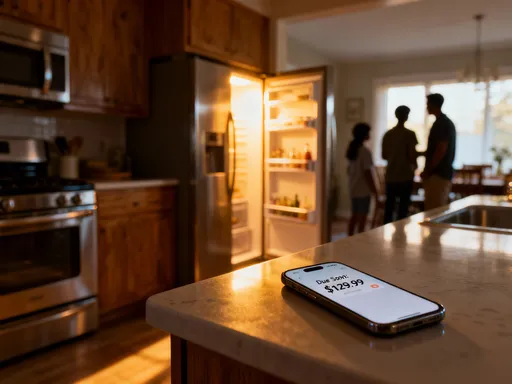
It starts so innocently. You scan a barcode at the coffee shop. You swipe a card at the grocery store. Maybe you sign up online for a new retailer’s rewards program because they offer $10 off your first purchase. At the time, it all feels like a smart move. You’re getting something back for what you were already buying. But then life happens. The app gets buried under newer downloads. The physical card bends in your wallet until you can’t read the number. The email reminders go straight to spam. And months later, when you finally remember that you had 500 points building up, you log in only to see: “Expired.” That moment stings—not because of the dollar amount, but because it feels like wasted effort.
Think about how many loyalty programs you’re part of right now. There’s the pharmacy chain where you refill prescriptions. The gas station you stop at every other week. The online bookstore where you buy novels during school breaks. Maybe a few airlines or hotel brands from past trips. Each of these has its own system, its own app, its own rules. Some give points per dollar spent. Others use a stamp system. A few offer bonus rewards during certain seasons. Without a way to track them all, it’s easy to lose sight of what you’ve earned. And when you can’t see the progress, you stop caring. But here’s the thing: those scattered points aren’t just numbers. They’re small promises you made to yourself—I’ll save here, I’ll use that later—that quietly go unfulfilled. And over time, that adds up to a kind of low-grade frustration, a background hum of “I should be doing better.”
I remember talking to a friend last fall who realized she’d lost over $120 in grocery rewards because she never linked her email to the store’s app. “I kept getting the sales flyers,” she said, “but I didn’t realize my points were tied to logging in every month.” She wasn’t lazy. She wasn’t careless. She just didn’t have a system that made sense for her routine. And that’s the real cost of disorganized loyalty points: not just lost money, but lost peace of mind. When little things slip through the cracks, it chips away at your confidence. You start to think, If I can’t keep track of my coffee stamps, what else am I dropping? But the truth is, it’s not you. It’s the way these programs are set up.
Why Seasonal Rhythms Disrupt Our Habits
Life isn’t static—and neither are our shopping habits. In January, you might be buying workout gear and healthy snacks. By June, it’s sunscreen, pool toys, and road trip snacks. These shifts are natural, even joyful. But they also mean we rotate through different stores, services, and loyalty programs. That yoga studio you visited twice a week in February? You haven’t been since May, when the weather turned warm and the kids started soccer. The winter coat retailer where you earned points last November? You’re not thinking about them now. And that’s okay. But without a way to pause, track, or reconnect with those programs, you lose momentum.
Seasonal changes don’t just affect where we shop—they affect how we remember. During back-to-school season, you’re laser-focused on office supplies and new clothes. You might sign up for a few new rewards programs in the process. But by winter break, those sign-ups fade from memory. The app stays on your phone, untouched. The points sit there, untouched. And when you finally think of them again, it’s often too late. Expiration dates sneak up quietly, especially when you’re not actively using the program. One study found that nearly 40% of loyalty points go unredeemed each year, not because people don’t want them, but because they forget they have them.
Think about your own rhythm. Do you shop more during certain times of year? Do your kids’ activities change what you buy? Of course they do. And that’s why a one-size-fits-all approach to managing points fails. You need a system that bends with your life, not one that demands you stick to a rigid schedule. The good news? Technology is finally catching up. Instead of expecting you to remember everything, new tools are designed to remember for you—so you can enjoy the benefits without the burden.
The Real Problem Isn’t Laziness—It’s Design
We’ve all had that moment: you open a loyalty app, and it’s a maze of icons, unclear rewards, and confusing messages. “You’re 75 points away from a reward!” it says. But 75 points toward what? A $2 discount? A free drink? And how many purchases does that take? There’s no clear path. Or worse, the app sends a notification that your points are about to expire—three days after the actual deadline. By the time you see it, it’s too late. These aren’t user errors. These are design failures.
Most loyalty programs were built to get you to sign up, not to help you succeed. They’re designed by marketing teams focused on acquisition, not customer experience. So they make earning points easy but redeeming them complicated. They bury important details in tiny text. They don’t sync across devices. They don’t remind you in time. And they definitely don’t help you see the big picture. No wonder so many of us give up. We assume it’s our fault—that we’re not organized enough, not tech-savvy enough, not diligent enough. But the truth is, the system wasn’t made for real life.
Real life means busy mornings, forgotten passwords, and phones that run out of storage. It means you don’t have time to log into five different apps every week just to check your balance. It means you want clarity, not clutter. And that’s why the best new tools focus on simplicity. They don’t add more steps. They remove them. They don’t ask you to change your habits. They adapt to them. Instead of making you chase the technology, they bring the technology to you. And that makes all the difference.
Meet the Tech That Works *With* Your Life
Imagine a tool that lives quietly in the background—no extra tapping, no daily check-ins. It connects to your existing loyalty accounts, pulls in your points, and shows you what you’ve earned, all in one place. It sends a gentle reminder when rewards are about to expire. It even suggests the best time to redeem based on your shopping patterns. That’s not science fiction. It’s available now. And it’s not another app you have to learn. It’s often built right into tools you already use—like your digital wallet or a smart organizer app.
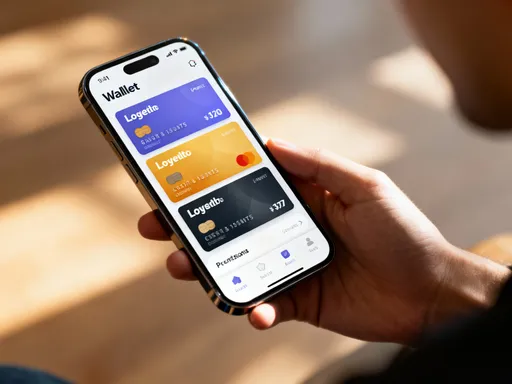
Take digital wallets, for example. Most of us use them to store credit cards or boarding passes. But many now support loyalty programs too. You can add your grocery store card, your pharmacy rewards, your favorite coffee shop—right alongside your payment methods. The next time you’re in the store, you don’t need to dig through your bag or remember to open an app. The card pops up automatically when you’re near the register. And the best part? Some wallets track your points in real time and send alerts when you’re close to a reward. It’s seamless. It’s simple. And it fits into the flow of your day.
Then there are smart organizers—apps designed to consolidate your memberships. They sync with major retailers, airlines, and service providers, pulling your data securely. You log in once, grant permission, and let the tool do the rest. No more logging into five different websites. No more guessing how close you are to a free night’s stay or a bonus discount. You get a clear, at-a-glance view of everything you’ve earned. And because these tools learn from your behavior, they can offer personalized tips—like, “You’re only two visits away from a free smoothie,” or “Your points at XYZ Store expire in 10 days.” That kind of gentle nudge makes all the difference.
And don’t worry—this isn’t about handing over your privacy. Reputable tools use encryption and don’t sell your data. They’re built to protect you while making life easier. You stay in control. You decide what to connect. And you can disconnect anytime. It’s not about giving power to technology. It’s about using technology to reclaim your time and attention.
How to Start Small (and Actually Stick With It)
You don’t need to fix everything at once. In fact, trying to do it all can backfire. The key is to start with one thing—one program you use regularly. Maybe it’s the coffee shop you visit twice a week. Or the grocery store where you do your weekly shop. Pick one. Then, take one simple step: connect it to a tool you already trust. If you use Apple Wallet or Google Pay, add your loyalty card there. If you’re using a smart organizer app, link just that one account. That’s it. No pressure. No overwhelm.
Next, set one reminder. Use your phone’s calendar or the app’s built-in alert to notify you when you’re close to earning a reward. Make it specific: “When I reach 400 points at Green Bean Coffee, remind me.” That way, you’re not guessing. You’re guided. And when you finally redeem your first free drink or discount, celebrate it. Tell a friend. Treat yourself to something small. These moments build momentum. They prove that the system works—and that you can stick with it.
After a few weeks, add another program. Maybe your pharmacy rewards. Or your favorite bookstore. Keep it slow. Keep it simple. The goal isn’t perfection. It’s progress. And the more you do it, the more natural it feels. Soon, checking your points becomes as routine as checking the weather. You don’t think about it. You just do it. And that’s when the real shift happens—when effort turns into ease.
Turning Points Into Peace of Mind
When your rewards are organized, something subtle but powerful changes. You stop feeling like you’re missing out. You stop worrying that you’ll walk into a store and realize too late that you could’ve saved. You make decisions based on what you need, not just what will earn you points. That’s freedom. And it’s not just financial. It’s emotional.
Families benefit too. Many programs now allow shared accounts. You can link your partner’s phone or add a teen’s name to your grocery rewards. When you shop together, the points add up automatically. No more “Did you remember to scan your card?” No more duplicate accounts. Just smooth, shared progress. And when it’s time to redeem—say, a free turkey for Thanksgiving or a bonus gift card for Christmas—you do it together. It becomes a family win, not just a personal one.
Travel gets easier too. Airline miles and hotel points are often the most valuable—but also the most confusing. With a clear system, you can see exactly how close you are to a free night or a discounted flight. You can plan ahead. You can say yes to that weekend getaway without guilt. And when you use your points, it feels like a gift you gave yourself—a reward for being consistent, for staying organized, for showing up.
But the biggest benefit isn’t the free coffee or the discounted hotel. It’s the quiet confidence that comes from knowing you’re on top of things. You’re not perfect. You still have busy days. But you’ve built a small habit that works for you. And that makes everything else feel a little more manageable.
A Smarter, Lighter Way to Live
Managing membership points isn’t really about saving a few dollars. It’s about how you want to live. Do you want to feel scattered, always one step behind? Or do you want to move through your days with a little more ease, a little more control? Technology, when used wisely, can be a quiet ally in that journey. It can hold the details so you don’t have to. It can remind you so you don’t forget. It can simplify the complex so you can focus on what matters—your family, your health, your joy.
The seasons will keep changing. You’ll keep shifting between routines. But with a simple, reliable system in place, your rewards don’t have to get lost in the shuffle. You can let the tools handle the tracking while you enjoy the benefits. And over time, those small wins add up—not just in free drinks or discounts, but in confidence, clarity, and calm.
This isn’t about becoming someone else. It’s about being more fully yourself—someone who takes care of the details without letting them take over. Someone who uses technology not to complicate life, but to lighten it. Someone who, even on the busiest days, feels just a little more in control. And that? That’s worth every point.