Transformed My Cluttered Living Room into a Smart Workspace: The Online Whiteboard That Finally Made It Click
You know that feeling when your home is full of potential, but somehow nothing fits? I stared at my cramped living room for months—couch, coffee table, toys everywhere—wondering how to make it work for both life and work. Then I found an online whiteboard app that didn’t just organize my space—it reshaped how I use it. No magic, no renovation, just smart, simple planning. And honestly? It changed everything. What started as a desperate attempt to carve out a quiet corner for my laptop turned into a complete shift in how I think about my home. This isn’t just about where to put a desk. It’s about designing a space that supports the fullness of your life—without the chaos.
The Space That Was Supposed to Do It All (But Failed)
Like so many of us, I’ve been trying to do everything in one room. My living room wasn’t just for relaxing or hosting family movie nights—it had become my office, my kids’ homework zone, and sometimes even the makeshift dining area when the kitchen felt too small. Every morning, I’d clear toy cars off the coffee table, prop my laptop on a stack of books, and call it a “workspace.” By evening, the same spot would be buried under snack wrappers, school papers, and yesterday’s throw blanket. I wasn’t working well, and I certainly wasn’t living well.
The clutter wasn’t just physical—it was mental. I’d sit on the couch trying to finish an email, only to get distracted by the TV remote, a pile of unsorted mail, or my daughter asking where her art supplies went. There was no boundary between tasks, no sense of transition. Work bled into family time, and family time felt like it was always interrupting something important. I felt guilty when I worked, and restless when I didn’t. The room was supposed to support all parts of my life, but instead, it made everything harder.
What I didn’t realize then was that the problem wasn’t the room itself. It was the lack of intention. I was expecting a single space to shift roles seamlessly without giving it a clear structure. I needed more than a cleaner—I needed a plan. And not just any plan, but one that accounted for how I actually lived, not how I thought I should. The turning point came when I stopped blaming the furniture and started asking better questions: When do I need quiet? Where do my kids focus best? How can one room serve many purposes without becoming a mess by 3 p.m.?
Why Rearranging Furniture Wasn’t Enough
I’ll admit, I tried the obvious fixes first. I moved the sofa against a different wall. I bought a small desk and shoved it into the corner. I even experimented with folding screens to “create separation.” But within days, everything reverted. The desk became a drop zone for mail and half-finished crafts. The screen blocked the light and annoyed everyone. And the sofa? It just made the room feel smaller.
The truth was, I was rearranging without a strategy. Every change was reactive—based on what felt wrong in the moment, not on how I wanted the space to function over time. Without a clear vision, I kept falling into the same patterns. I’d clear the coffee table in the morning, only to have it covered again by noon. I’d set up my laptop neatly, then spend half the day adjusting pillows and stretching cords across the floor. It was exhausting, and worse, it made me feel like I was failing at something that should be simple.
What I was missing was a way to think through the space before touching a single piece of furniture. I needed to map out not just where things should go, but when and how they’d be used. That’s when I realized: I’d been treating my living room like a puzzle with missing pieces, when what I really needed was a blueprint. And not on paper—something dynamic, something I could play with, test, and share. That’s where the online whiteboard came in.
Discovering Online Whiteboards as a Design Tool (Not Just for Work Meetings)
I’d been using online whiteboards for years—mostly for team brainstorming, project planning, or virtual workshops. You know the kind: digital canvases where you drag sticky notes, draw shapes, and sketch ideas in real time with colleagues. I never thought it could help me redesign my home. But one evening, while stuck in yet another round of moving chairs around, I had a thought: Why not treat my living room like a team project?
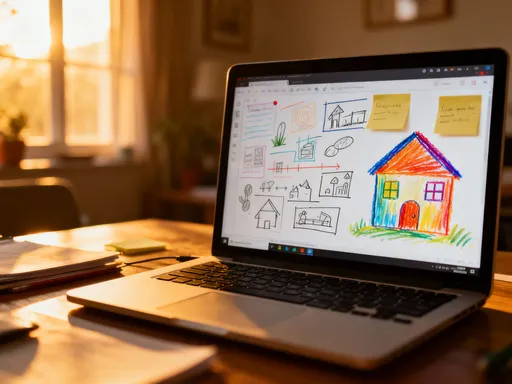
I opened my favorite whiteboard app—nothing fancy, just something simple and free—and started fresh. First, I pulled up a basic floor plan of my living room. I didn’t need exact measurements; a rough rectangle would do. Then, I added colored shapes to represent the big items: blue for the sofa, green for the coffee table, yellow for the bookshelf. It felt silly at first, like I was playing digital dollhouse. But then I started moving them around.
And something clicked.
On the screen, I could slide the sofa to the opposite wall and instantly see how much more light the room would get. I could place a small desk in the corner near the window and check sightlines to the TV. I could even add little icons for power outlets and natural light sources. The best part? No heavy lifting. No second opinions from my husband mid-move. I could test five layouts in ten minutes, save the ones I liked, and come back to them later. I started labeling zones: “Quiet Work,” “Family Play,” “Reading Nook.” I used sticky notes to jot down ideas: “Add a rolling cart for supplies,” “Try a floor lamp for better lighting.”
This wasn’t just about furniture placement—it was about designing a system. The whiteboard gave me the freedom to experiment without consequences. And that freedom made me bolder. I tried ideas I would’ve dismissed in real life, like turning the entertainment center into a shared family command center with a small whiteboard for schedules and a basket for school forms. The digital space became a sandbox for real-life change.
Mapping My Day to Map My Space
Once I had the basic layout, I went deeper. I realized that the best design wouldn’t come from furniture catalogs—it would come from my routine. So I used the whiteboard to map out my typical day, hour by hour. I color-coded blocks: purple for work, pink for family time, green for meals, blue for personal time. I did the same for my kids’ schedules—school hours, homework, extracurriculars, downtime.
Then, I overlaid those time blocks onto the room layout. I asked: Where am I during each of these moments? What do I need in that spot? Do I need quiet? Light? Privacy? Access to supplies? This simple exercise revealed so much. I saw that my “work zone” was right next to the TV—no wonder I was distracted. I noticed that my kids’ homework time clashed with my afternoon calls, and we were both competing for quiet space.
So I redesigned with time in mind. I moved my work zone to a quieter corner near a window, away from the main traffic flow. I added a small, foldable desk that could be tucked away after hours. For the kids, I created a homework station on the opposite side of the room, with a caddy for pencils, books, and headphones. I used the whiteboard to assign each zone a daily rhythm: “Work here 9–12,” “Play here after school,” “Relax here after dinner.”
The whiteboard made it easy to spot conflicts and solve them visually. I could drag a sticky note from “Distraction” to “Solution” and see the change instantly. I even added a “mood meter” to track how each area felt at different times—calm, busy, chaotic. Over time, the room began to reflect not just how I used it, but how I wanted to feel in it.
Collaborating with My Household (Without the Arguments)
One of the biggest surprises was how the whiteboard transformed family conversations about space. Normally, any change in the living room led to pushback. “Why is the couch moving again?” “Where do I put my books now?” “That corner is mine!” But when I shared the whiteboard with my partner and kids, something shifted. Instead of reacting to changes, they became part of the design process.
I gave everyone access to the board and asked them to add their needs. My husband dropped a sticky note in the quiet corner: “Need a spot for my morning coffee and news.” My daughter drew a little star next to the bookshelf: “This is my reading zone.” My son added a game icon near the rug: “This is where I build Legos.” Suddenly, it wasn’t my project anymore—it was ours.
We started having weekly “design check-ins” at the kitchen table, looking at the board together. We’d discuss what was working and what wasn’t. “The homework spot is great, but I need more light,” my daughter said. So we added a small lamp—marked on the board in yellow. “I keep forgetting where the charging cords are,” my husband noted. So we created a labeled basket—shown on the board with a plug icon.
The whiteboard became a neutral space for collaboration. No one felt overruled. Everyone could see how their needs fit into the bigger picture. And because changes were made digitally first, there was no pressure to get it right the first time. We could test ideas, vote on them, and adjust as life changed. It wasn’t just about furniture—it was about respect, communication, and shared ownership of our home.
From Digital Plan to Real-Life Results
Once the plan felt solid on the whiteboard, making changes in real life was surprisingly easy. I didn’t need to buy new furniture or repaint the walls. Most of the shifts were simple, low-cost, and reversible. I brought in a mobile cart with drawers for my work supplies—laptop, notebooks, charger. It rolls away when not in use. I added a small area rug to define the reading nook, and a floor lamp to make it cozier. I used labeled baskets to sort toys, school supplies, and tech gear.
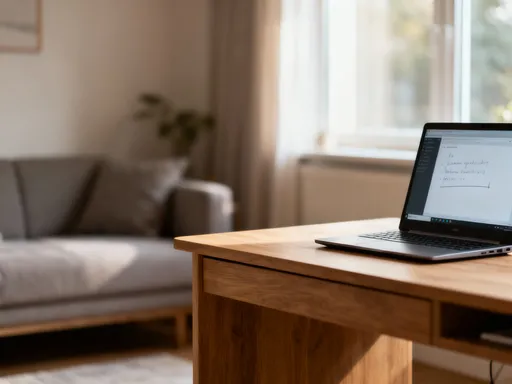
The foldable desk I’d tested on the board became my official workspace. It’s small, but it has everything I need: a notebook, a pen holder, and a place for my tea. When work ends, I close the laptop, tuck it under the desk, and the space transforms back into living area. The kids’ homework station got a timer, a pencil cup, and a small whiteboard for spelling words. We even added a family calendar on the wall—mirroring the one on our digital board.
What’s amazing is how little we actually changed—and how much better it feels. The room isn’t bigger, but it’s more intentional. There’s less clutter because everything has a purpose and a place. There’s less stress because we’re not constantly negotiating space. And there’s more joy because the room finally supports how we live, not how we wish we lived.
The whiteboard didn’t just help me design a better room—it helped me design a better routine. I start each day by checking the board on my phone, reviewing my schedule and my space plan. It’s become part of my morning ritual, like brushing my teeth or making coffee. And when life changes—a new project, a school event, a weekend guest—I update the board first. It’s my quiet way of staying in control.
More Than a Room: A Smarter Way to Live
This journey taught me something bigger than home organization. It taught me that intention is everything. We don’t need perfect spaces or expensive renovations to feel at peace. We need clarity. We need a plan. And sometimes, the best tools for creating that clarity aren’t hammers and paintbrushes—they’re digital ones we already have.
The online whiteboard didn’t just help me solve a clutter problem. It helped me slow down, think ahead, and design with care. It reminded me that my home should serve me, not stress me. And it showed me that small, thoughtful changes—guided by real needs and shared input—can create lasting comfort.
Now, when I sit at my little desk in the quiet corner, sunlight streaming in, my tea steaming beside me, I don’t feel like I’m working in a living room. I feel like I’m in a space that was made for me. And when the workday ends, and the kids come home with backpacks and energy, the room shifts again—smoothly, easily—back into a place for life.
That’s the real win. It’s not about having a perfect home. It’s about creating one that moves with you, supports you, and reflects the beautiful, messy, full life you’re living. And if a simple online whiteboard can help you get there? Well, that’s not just smart tech. That’s smart living.