Stop saying ‘I didn’t know the bill changed’ — Smart alerts finally made my home bills predictable
How many times have you opened a utility bill and thought, *“Wait, why is this so high?”* You’re not alone. We’ve all been caught off guard by sudden spikes, confusing charges, or missed payment dates. What if your home could quietly warn you before costs rise? Not with complex gadgets, but simple tools already in your pocket? I used to dread bill season — until I started using everyday tech to stay ahead. Now, I pay less, stress less, and actually *understand* what I’m paying for. Let me show you how small changes make a big difference.
The Moment I Realized My Bills Were in Control — Not Me
It was a rainy Tuesday morning, and I was sipping my second cup of coffee when the electric bill arrived in my email. I opened it without much thought—until my eyes landed on the total. $317. For a month. My heart sank. That was nearly double what we paid last winter. I scanned the details, but the breakdown meant nothing to me: “demand charge,” “tiered rate adjustment,” “grid maintenance fee.” I felt a familiar knot in my stomach—part confusion, part guilt. Had the kids left every light on for weeks? Did I forget to turn off the space heater? Was there a leak somewhere I hadn’t noticed? The worst part wasn’t the number—it was the helplessness. I was paying for something I didn’t understand, and I had no idea how to fix it.
That moment was a turning point. I realized I’d been treating bills like unavoidable surprises—something to brace for, not something to manage. I paid them on time, yes, but I never really looked at them until they shocked me. And I wasn’t alone. I started talking to friends—women like me, managing homes, kids, jobs, and never quite catching their breath. So many of us were living in reactive mode: pay the bill, panic, promise to do better, then forget until next month. But what if we didn’t have to live that way? What if we could see the changes coming? What if our homes could talk to us before the damage was done? That’s when I decided to stop being surprised—and start being informed.
Why We Stay in the Dark (And How Tech Can Turn on the Light)
Let’s be honest: utility companies aren’t exactly known for clear, friendly communication. Their bills are full of jargon, tiny print, and estimates that don’t match reality. By the time you get a “high usage” notice, the spike has already happened. The system is set up to inform you *after* the fact, not to help you prevent it. And that’s the problem. We’re not bad at managing bills—we’re just not given the tools to succeed.
Think about it. If your phone didn’t tell you when the battery was low, you’d be frustrated every time it died. But it *does* warn you—first at 20%, then 10%, then with that urgent red icon. You adjust your behavior because you have real-time feedback. Why shouldn’t your home work the same way? The good news is—today, it can. Thanks to simple, widely available technology, you no longer have to wait for a bill to know what’s happening. Smart meters, utility apps, and even Wi-Fi enabled thermostats can send alerts, track patterns, and give you a clear picture of your energy use—before the month ends.
It’s not about spying on your home. It’s about giving yourself the same kind of helpful feedback you get from your phone or fitness tracker. When you see that turning on the oven during peak hours adds $12 to your monthly bill, you start making different choices. When you get a notification that your water usage is 30% above average, you check the toilets and find a slow leak. Knowledge isn’t just power—it’s peace. And today, that knowledge is easier to get than ever.
Meet Your New Bill Assistant: The Phone You Already Own
Here’s the best part: you don’t need to buy anything. That smartphone in your purse or pocket? It’s already your most powerful bill management tool. I know it sounds too simple, but I’ve watched friends transform their financial stress just by using what they already have. No smart home overhaul. No expensive gadgets. Just smart use of everyday features.
Start with your calendar. Instead of waiting for bills to show up and scramble to pay, schedule reminders a week before each due date. Label them clearly: “Electric – due Friday,” “Water – pay by 5th.” You can even color-code them so they stand out. This one habit alone has saved me from late fees more times than I can count. And don’t just rely on paper or PDFs—set up automatic email alerts from your providers. Most utility companies offer free notifications for billing, usage spikes, and payment confirmations. I created a dedicated folder in my email called “Home Bills,” and now everything goes straight there. No more searching through clutter.
Then there’s your notification center. This is where the real magic happens. I turned on push alerts from my electric company’s app. Now, if my usage jumps above average mid-month, I get a gentle ping: “Your energy use is higher than usual. Check your thermostat?” It’s like having a thoughtful friend whispering, “Hey, maybe turn that down a notch.” I’ve also used the notes app to track seasonal trends—like how our bill rises in July when the AC runs nonstop. Writing it down helps me plan better next year. These aren’t fancy tech hacks. They’re small, intentional habits that add up to big control.
When the Fridge Knows Your Habits Better Than You Do
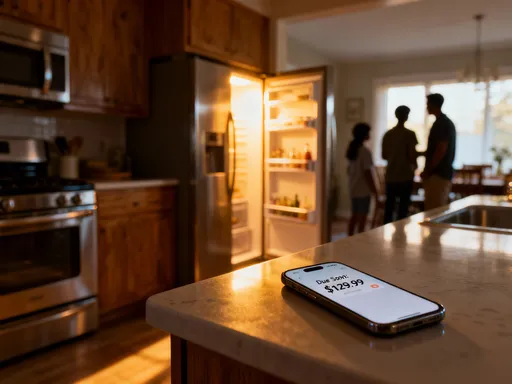
I’ll admit, I used to roll my eyes at “smart appliances.” I thought they were expensive toys for people who loved gadgets more than function. But then I got a new refrigerator—one with Wi-Fi and a simple app. I didn’t care about the touchscreen or the ice maker. But I *did* care when, one evening, my phone buzzed with a message: “Fridge door may be open.” I ignored it at first—until it pinged again five minutes later. I walked into the kitchen and sure enough, the door was slightly ajar. The kids had been grabbing snacks and hadn’t pushed it all the way closed.
That night, I saved at least two hours of compressor overwork—and possibly prevented a $50 spike in the next bill. Since then, I’ve learned that this fridge does more than keep food cold. It watches for patterns. If the internal temperature rises unexpectedly, it alerts me. If the water filter needs changing, it reminds me—before the ice starts tasting funny. It even tracks energy use over time, so I can see if it’s working harder in the summer. None of this requires me to do anything different. I just live my life, and the fridge quietly helps me avoid waste.
And it’s not just fridges. Smart thermostats learn your schedule and adjust the heat or cooling automatically. One friend told me hers noticed she was turning up the heat every weekday at 6:15 a.m.—so it started doing it for her, but only on weekdays. On weekends, it stays cool until she wakes up later. That kind of quiet intelligence doesn’t demand your attention. It gives you back time, comfort, and control—without asking for anything in return.
Turning Family Chaos Into Teamwork with Shared Insights
Let’s face it: bills are a family affair. One person leaves the TV on all night. Another takes 20-minute showers. The garage light stays on because no one remembers to flip the switch. And then—surprise!—the bill doubles. In my house, this used to lead to tension. Someone would get blamed. Voices would rise. And nothing would really change. We needed a better system—one that didn’t point fingers, but brought us together.
That’s when I started using a shared energy dashboard. My electric company offers a free online portal where I can view daily usage, set monthly goals, and even compare my home to similar ones in the neighborhood (anonymously, of course). I pulled up the chart one Sunday night and showed the kids. “See this spike? That was the weekend we left the AC on full blast while we were at the lake.” They were fascinated. One asked, “Can we try to use less next month?” So we made it a game. We set a goal to reduce usage by 10%. I printed a simple chart and put it on the fridge. Every few days, we’d check the app together.
The change was surprising. The kids started reminding each other to turn off lights. My husband began running the dishwasher only at night, when rates were lower. We didn’t make big sacrifices—we just became more aware. And when we hit our goal, we celebrated with a movie night, not a splurge. The real win wasn’t the $28 we saved. It was the way we started seeing our home as a team project. Technology didn’t fix our habits—it helped us see them clearly, so we could fix them ourselves.
From Reactive to Proactive: How Alerts Changed My Mindset
The biggest shift wasn’t in my bills—it was in my mind. For years, I treated bill day like a test I hadn’t studied for. I’d open the email with dread, brace for bad news, and then feel guilty or angry. But now? I look forward to it. Not because I love paying bills, but because I already know what’s coming. I’ve been getting updates all month. I’ve made adjustments. I feel prepared.
That sense of control has spilled into other parts of my life. I’m less anxious. I make better decisions. When I see a weather alert predicting a heatwave, I know to pre-cool the house early in the day, before rates go up. When I’m planning laundry, I check the app to see if it’s a “high energy” day—and if it is, I wait. These aren’t heroic acts of frugality. They’re small, smart choices made possible by information.
And here’s what no one tells you: being proactive feels good. It’s empowering. You stop feeling like a victim of circumstances and start feeling like the captain of your home. The alerts don’t make decisions for you—they just give you the facts. And with facts, you can choose. That’s the real gift of this technology. It doesn’t take over your life. It hands you the wheel.
Small Tech, Big Peace: What Really Matters at the End of the Day
At the end of the day, none of us are trying to become energy experts. We’re not chasing perfection. We’re just trying to run our homes with a little less stress and a little more confidence. For me, this journey wasn’t about cutting every watt or living off the grid. It was about clarity. It was about looking at a bill and saying, “I see why this is high,” instead of “I have no idea.”
The tools I’ve used—phone alerts, shared dashboards, smart appliances—are simple. But their impact is deep. They’ve given me time back. They’ve reduced arguments. They’ve helped me teach my kids about responsibility, not through lectures, but through real-life experience. And they’ve given me something priceless: peace of mind.
Because the truth is, we don’t care about kilowatts or therms. We care about comfort, security, and freedom. We care about being able to pay the bills without panic. We care about creating a home that feels calm, not chaotic. And when technology helps us do that—quietly, gently, without demanding our attention—it’s not just useful. It’s meaningful.
So if you’re still saying, “I didn’t know the bill changed,” I get it. I’ve been there. But you don’t have to stay there. Start small. Turn on one alert. Set one reminder. Share one chart with your family. You don’t need to be a tech whiz. You just need to be willing to listen—because your home has been trying to tell you something. And when you finally hear it, you’ll wonder why you didn’t start sooner.