More than alarms: Gas safety tech that quietly protects what matters most
You know that nagging worry—did I turn off the stove? It’s the kind of thought that sneaks up while you're halfway to work or lying awake at night. I used to panic, too, until I discovered how modern gas safety technology could do more than just beep when something’s wrong. It’s like having a calm, watchful presence in your home. Now, I breathe easier—literally—because smart monitoring doesn’t just alert; it helps prevent, coordinates responses, and gives real peace of mind. And honestly, it’s changed how I live. This isn’t about fancy gadgets or turning your house into a lab. It’s about making sure the people you love are safe, even when you’re not there to check. That quiet hum of reassurance? That’s the sound of technology working for you, not the other way around.
The Moment Everything Changed
It was a Tuesday morning, the kind where everyone’s rushing—kids with half-tied shoes, toast burning in the kitchen, and me, already late for a meeting. I grabbed my bag, kissed the kids goodbye, and headed out the door. Halfway through my commute, a cold wave washed over me. Did I turn off the stove? I couldn’t remember. I told myself it was fine, that I must have. But the doubt grew with every mile. I called my neighbor, hoping she’d peek through the window. She did—and saw smoke curling from the kitchen vent.
She let herself in, turned off the burner, and aired out the house. No fire, no explosion, just a pot of boiled-over soup and a kitchen full of steam. But that wasn’t the end of it. The local fire department came by later and checked the gas levels. They found a small but dangerous buildup near the stove. The pilot light had gone out earlier, and gas had been leaking slowly for nearly an hour. One spark, they said, and it could have been catastrophic.
I sat on my couch that evening, shaking. Not because of the smoke, but because of how close we’d come to losing everything. My children were safe. My home was intact. But I realized then that safety wasn’t just about being careful. It was about having systems in place that didn’t rely on memory or luck. That night, I started researching. I wanted to know: could technology do more than just scream when things went wrong? Could it actually help prevent disasters before they happened? What I found changed everything.
Beyond the Beep: What Most People Get Wrong About Gas Alarms
Most of us think we’re covered because we have a gas alarm. It’s on the wall, it’s been tested, and it’s probably chirped at 3 a.m. once or twice. But here’s the truth: traditional gas alarms are reactive, not preventive. They wait for danger to happen before they respond. That delay—sometimes just seconds, sometimes minutes—can make all the difference. And if no one’s home to hear the beep, what good is it?
I used to think my old alarm was enough. It was certified, had fresh batteries, and looked official on the wall. But it didn’t talk to anything. It didn’t know if I was home. It couldn’t shut off the gas. It just waited, silently, until gas reached a dangerous level—then it screamed. And if I wasn’t there to hear it? It screamed into an empty house.
Worse, many people ignore alarms after false alarms. I know I did. Once, mine went off when I was searing a steak. The room filled with smoke, and the alarm blared. I waved a towel at it, opened the window, and silenced it—grumbling about oversensitivity. But that reaction, repeated over time, creates a dangerous habit: we start tuning out the very warnings meant to protect us.
Modern gas safety isn’t about louder beeps or brighter lights. It’s about shifting from passive alerts to active protection. Imagine a system that doesn’t just warn you—but takes action. One that knows when you’re not home and sends an alert to your phone. One that talks to your smart home and turns off the gas valve automatically. That’s not science fiction. It’s available today, and it’s designed for real life, not just emergencies.
How Smart Gas Monitoring Actually Works—Without the Jargon
Let’s be honest—tech can sound intimidating. Terms like “sensor fusion,” “IoT integration,” or “AI-driven analytics” make it seem like you need an engineering degree just to install a safety device. But smart gas monitoring isn’t about complexity. It’s about simplicity. Think of it like upgrading from a flashlight to a smart lightbulb. One works when you’re holding it. The other turns on automatically when it senses you’ve entered the room.
At its core, a smart gas monitor uses sensors to detect gas in the air—just like a traditional alarm. But instead of stopping there, it connects to your home Wi-Fi and sends real-time updates to your phone. If gas levels rise, you get a notification—whether you’re in the next room or next state. Some systems go further: they can automatically shut off the gas supply, turn on your ventilation fans, or even call emergency services if you don’t respond.
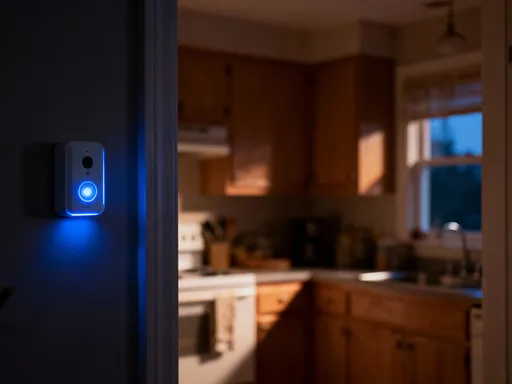
It’s like having a safety team on duty 24/7. The sensor is the lookout. Your phone is the communicator. And smart valves or hubs are the responders. They work together so you don’t have to. And setup? Most systems take less than an hour. You mount the sensor on the wall—usually near the kitchen or gas appliances—connect it to your Wi-Fi, and download the app. That’s it. No rewiring. No drilling. Just peace of mind, plug and play.
And unlike older alarms that only detect one type of gas, many smart monitors can identify multiple hazards—natural gas, carbon monoxide, even propane. That’s important because different fuels behave differently, and a single-sensor device might miss a threat. With multi-gas detection, you’re covered no matter what powers your home.
Real Protection Starts with Coordination
Safety isn’t just about devices. It’s about connections. I learned this the hard way. After my scare, I bought a smart monitor and set it up just for myself. But when I went on vacation a few months later, the alarm went off at 2 a.m. due to a minor leak. I got the alert, but I was thousands of miles away. I couldn’t do anything. I called a friend to check, but it took 20 minutes to coordinate. By then, the system had already shut off the gas and ventilated the kitchen—thankfully. But it made me realize: the real power of smart safety isn’t in the device. It’s in the network it creates.
Now, I’ve added my sister and neighbor as emergency contacts in the app. If an alert goes off and I don’t respond within five minutes, the system automatically notifies them. They get a message with the hazard type, location, and a live status update. One tap, and they can see if the gas has been shut off or if the house is being ventilated. It turns a solo panic into a team response.
For families with elderly parents or young children, this coordination is priceless. Imagine your mom living alone, and her gas monitor detects a leak while she’s asleep. The system alerts her—and if she doesn’t respond, it calls you, her neighbor, and the local emergency line. No waiting. No guessing. Help is on the way, even if she can’t ask for it.
And it’s not just about emergencies. These systems build a quiet confidence in daily life. You stop second-guessing yourself. You don’t lie awake wondering if you left the oven on. Because now, you know. The system checks for you. It’s like having a thoughtful friend quietly watching your back, 24 hours a day.
Setting It Up So It Actually Works for Your Family
Technology only works if it’s used. I’ve seen too many smart devices end up in drawers because they were too complicated or created more stress than relief. So when I set up my system, I focused on three things: simplicity, consistency, and inclusion.
First, I chose a system that worked with my existing smart home setup. I already had a smart speaker and lights, so I picked a monitor that integrated easily. Now, when the system detects gas, it doesn’t just buzz my phone—it also makes the speaker announce the warning and turns the kitchen lights red. That way, even if my phone is on silent, I’ll notice.
Next, I thought carefully about placement. Sensors need to be near potential gas sources—like the stove, water heater, or furnace—but not too close to steam or cooking fumes, which can cause false alarms. I mounted mine on the ceiling, about ten feet from the stove, following the manufacturer’s guidance. It’s high enough to catch rising gas but far enough to avoid grease buildup.
Then came the family part. I sat down with my kids and explained how it works. Not in technical terms, but in real ones. “This little device is like a safety guard for our home,” I said. “If it smells gas, it tells us—and if we’re not here, it can stop the gas from flowing.” I showed them the app, let them hear the alert (at a low volume!), and practiced what to do if it went off. Now, they’re not afraid of it. They trust it.
I also set up alert preferences carefully. I didn’t want constant pings for minor fluctuations. So I adjusted the sensitivity and enabled “quiet hours” for nighttime, so only critical alerts come through. And I scheduled monthly self-tests so the system checks itself—and reminds me to test it manually every six months. It’s become part of our routine, like changing the air filters or checking smoke detector batteries.
The Unexpected Perks of Feeling Truly Safe
I didn’t expect the emotional shift. I thought smart gas monitoring would just make my home safer. And it did. But it also changed how I feel inside it. That low-level anxiety—the “what if I forgot?” hum in the back of my mind—is gone. I don’t double-check the stove before leaving anymore. I don’t wake up wondering if the pilot light went out.
And that mental space? It’s been filled with better things. I’m more present with my kids. I’m less irritable. I sleep deeper. It’s amazing how much energy we spend on worry—and how freeing it is to give that burden to something reliable.
I’ve heard similar stories from friends who’ve made the switch. One told me she used to call her teenage daughter every day to remind her to check the stove after cooking. Now, she gets a notification if gas is detected—and only if it’s a real issue. Their relationship has improved. Less nagging. More trust.
Another friend, a single mom, said the system gave her confidence to travel for work again. “Before, I’d cancel trips because I was too anxious,” she said. “Now, I know my home is protected. I can focus on my job, on myself, without that knot in my stomach.”
That’s the ripple effect of real safety. It doesn’t just protect your house. It protects your peace, your relationships, your ability to live fully. It’s not about fear. It’s about freedom.
Peace of Mind Isn’t Luxury—It’s Within Reach
When I first looked into smart gas monitoring, I thought it would be expensive. High-tech, high cost. But the systems I researched were more affordable than I expected—comparable to a few family dinners out or a weekend getaway. And when I weighed that against the value of my family’s safety, it wasn’t even a question.
Peace of mind isn’t a luxury. It’s a basic need. And it’s not something you have to earn or wait for. It’s available now, in the form of thoughtful technology designed for real homes and real lives. You don’t need to be a tech expert. You don’t need to overhaul your entire house. Start with one sensor. Place it where gas is most likely to leak. Connect it to your phone. That’s your first step.
And remember: safety isn’t a one-time fix. It’s an ongoing act of care. Every time you test your system, update your emergency contacts, or explain it to your child, you’re saying, “You matter. This home matters.” That’s not just smart technology. That’s love in action.
So if you’ve ever hesitated, wondering if it’s worth it—let me tell you: it is. Not because disasters are inevitable, but because you deserve to live without that shadow of worry. You deserve to breathe easy. And with today’s technology, you can. Not in the future. Not someday. Right now. Your safest, calmest life isn’t waiting on a miracle. It’s waiting on a simple decision. And that decision? It starts with a single step—toward a home that protects, not just shelters, the ones you love.