From Passive Scrolling to Meaningful Connection: How Online Communities Gave My Life Back
You know that empty feeling after hours of scrolling? I felt it too—lonely, distracted, and disconnected from what really matters. I’d sit on the couch every evening, phone in hand, flipping through endless posts, memes, and updates, only to look up an hour later feeling more tired than when I started. It wasn’t relaxing. It wasn’t connecting me to anyone. If anything, it made me feel more alone. The irony wasn’t lost on me: I was more ‘connected’ than ever, yet I hadn’t felt this isolated in years. I missed real conversations. I missed feeling seen. I missed joy that lasted longer than a quick like or a fleeting comment. But everything changed when I stopped just scrolling and started showing up—really showing up—in the right online spaces. This isn’t a story about quitting technology. It’s about learning how to use it in a way that gives back to your life instead of taking from it. Let me tell you how small, intentional choices helped me find belonging, rebuild routines, strengthen family ties, and rediscover myself—one meaningful connection at a time.
The Loneliness Behind the Screen
It’s strange, isn’t it? We live in a world where we can video chat with someone on the other side of the planet, share photos with hundreds in seconds, and join live discussions with thousands. And yet, so many of us—especially women in our 30s, 40s, and beyond—feel quietly lonely. Not the kind of loneliness that makes headlines, but the soft, persistent kind that settles in after the kids go to bed, after the work emails are answered, after the house is quiet. I remember one night, I spent two hours scrolling through a popular social media feed, laughing at memes, double-tapping cute pet videos, and then suddenly realized I hadn’t spoken to a single real person all evening. Not my sister. Not my best friend. Not even my husband beyond a quick ‘pass the salt’ at dinner. And that wasn’t unusual. That was my routine.
The problem wasn’t the technology itself. The problem was how I was using it—passively, without purpose. I wasn’t engaging. I wasn’t sharing. I wasn’t being seen. I was just watching, comparing, and absorbing noise. And over time, that noise started to drown out the things that mattered. My real friendships felt distant. My hobbies gathered dust. Even my sense of self started to blur. I was so busy consuming other people’s lives that I forgot how to live my own. The wake-up call came when I missed my closest friend’s birthday. Not because I forgot—because I was too deep in a rabbit hole of random videos and endless posts to notice the reminder. When she texted, ‘No worries, I know you’re busy,’ I felt a wave of guilt and sadness. I wasn’t busy. I was just… distracted. And that’s when I knew something had to change. Not just my screen time, but my entire relationship with the digital world.
Discovering Communities That Feel Like Home
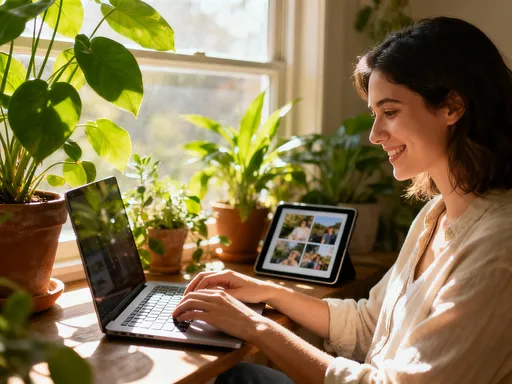
The turning point began with a simple search: ‘small-space gardening for apartment living.’ I’d always loved plants, but living in a city high-rise made it feel impossible. I thought I’d find a few tips, maybe save a couple of articles, and move on. Instead, I stumbled into a small, active online group of people just like me—urban dwellers with sunny windowsills and big dreams for greenery. What surprised me wasn’t just the advice, but the warmth. Someone posted, ‘First basil plant wilting? Don’t give up—here’s what helped mine.’ Another shared a photo of their thriving succulent with the caption, ‘This one survived my vacation. We’re all rooting for yours.’ I laughed. I felt seen. And for the first time in months, I hit ‘post’ and shared a photo of my sad little herb garden.
Within minutes, I had five encouraging replies. One woman suggested a different potting mix. Another sent a voice note explaining how she adjusted her watering schedule. No judgment. No competition. Just real, practical support from people who genuinely cared. I started checking the group every few days, not out of habit, but because I looked forward to it. I wasn’t just reading posts—I was part of the conversation. I celebrated when someone’s avocado seed finally sprouted. I cheered when a mom in the group grew her first homegrown tomato on a fire escape. These weren’t just online strangers. They became my people. And that shift—from passive observer to active participant—was the beginning of something much bigger than better plants. It was the beginning of belonging.
How Personalization Turns Browsing into Belonging
Here’s what I’ve learned: not all online spaces are created equal. The magic doesn’t come from being online—it comes from being in the *right* online space. And thanks to smarter platforms and better tools, it’s easier than ever to find communities that truly fit who you are. It’s not about popularity or follower count. It’s about relevance. When I joined a support group for working parents navigating burnout, I didn’t feel overwhelmed by hundreds of daily posts. The platform filtered content based on my interests and life stage, so I only saw discussions that resonated—like managing guilt after saying no to a school event, or how to carve out 15 minutes for yourself between meetings and bedtime.
That kind of personalization changes everything. Instead of feeling lost in a sea of content, I felt seen. The conversations felt like they were made for me. And because they were relevant, I actually wanted to contribute. I shared how I started using a simple meal-planning template, and someone else replied with a tweak that worked even better for her family. That exchange led to a private message, then a virtual coffee chat, and now we’re accountability partners. The technology behind it isn’t flashy—it’s not about flashy animations or complex features. It’s quiet, thoughtful, and intuitive, like a friend who remembers your favorite tea and offers you a cup just when you need it. When your digital space reflects your real life, engagement stops feeling like a chore and starts feeling like connection.
Rebuilding Real-Life Routines, One Post at a Time
What surprised me most was how my online interactions started shaping my offline days. I joined a mindful cooking community—not because I was a great cook, but because I was tired of last-minute takeout and the guilt that came with it. The group encouraged slow, intentional cooking: planning meals, using seasonal ingredients, and enjoying the process, not just the result. I started small—posting my weekly grocery list every Sunday. Members would suggest swaps, share recipes, or cheer me on. One woman noticed I kept buying pre-cut veggies and gently asked, ‘Have you tried chopping your own? It’s cheaper, and oddly calming.’ I laughed, but I tried it. And she was right.
Those Sunday prep sessions became my new ritual. I’d put on soft music, chop vegetables, and feel my shoulders relax. I even started hosting virtual cook-alongs with two other group members—we’d video chat while making the same recipe, laughing when someone burned the garlic or forgot an ingredient. My partner noticed the change. ‘You seem more present,’ he said one evening as we sat down to a homemade meal. ‘Like you’re actually here.’ That meant more than any online comment ever could. The ripple effect was real: a few thoughtful interactions in a digital space had rebuilt a routine that brought peace, creativity, and connection back into my home. My kitchen, once a source of stress, became a place of joy—all because of a simple post in a community that cared.
Strengthening Family Bonds Through Shared Digital Spaces
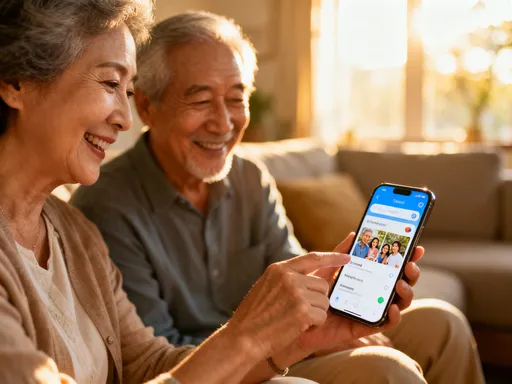
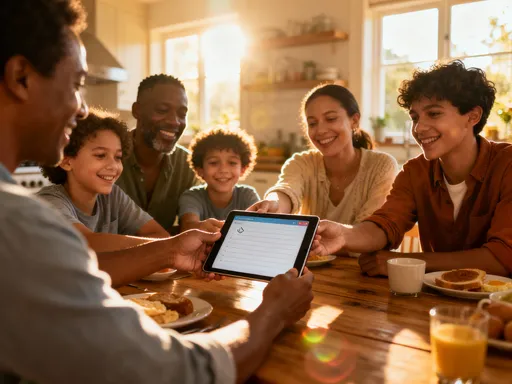
One of the most beautiful shifts happened with my family. We used to share updates on public social media—birthday parties, school plays, vacation photos—mixed in with ads, news, and random content. But it didn’t feel special. It felt scattered. Then we created a private family group, just for us: grandparents, aunts, uncles, cousins. No followers. No likes. No noise. Just love. We started sharing little moments—my daughter’s first cartwheel, my dad teaching my nephew how to whittle wood, my sister’s garden in full bloom. We added voice notes, short videos, and handwritten notes scanned and shared.
The difference was immediate. My mom, who lives three time zones away, now sees her grandkids’ milestones the same day they happen. She leaves voice messages full of laughter and encouragement. ‘I watched the video five times!’ she told me. ‘It felt like I was right there.’ My niece, who’s shy in person, lights up when she gets comments from her cousins. And the best part? No distractions. No pressure to perform. Just pure, unfiltered connection. Now, when my nephew draws a picture, his first question is, ‘Did you show Nana?’ That kind of intimacy—that sense of being held in the hearts of your people—is what technology should make possible. It’s not about replacing face-to-face time. It’s about bridging the gaps in between, keeping love alive across miles and time zones. And for busy families juggling work, school, and life, that’s priceless.
Growing Confidence Through Small Contributions
I’ll admit it: I used to think I had nothing valuable to offer online. I wasn’t an expert. I didn’t have a perfect home, a flawless recipe, or a polished photography style. I was just me—a busy woman doing her best. But in a beginner photography group I joined, I posted a photo of a sunset from my balcony. It was blurry. The lighting was off. But I loved the colors. To my surprise, someone replied, ‘I love how warm this feels. It captures the mood perfectly.’ Another said, ‘You have an eye for emotion, not just composition.’ I blinked. No one had ever said that to me before.
That small moment of encouragement cracked something open. I started posting more—my messy kitchen, my dog napping in a sunbeam, my daughter’s art taped to the fridge. The feedback wasn’t about technical perfection. It was about heart. And slowly, I began to see myself differently. I wasn’t just learning photography. I was learning to see beauty in the everyday. I started offering feedback to others, sharing tips I’d picked up, and eventually mentoring new members. One woman messaged me: ‘Your post about embracing imperfect photos gave me the courage to share mine.’ That hit me deep. I wasn’t just consuming content anymore—I was contributing. And that shift, from passive to active, did more than improve my skills. It rebuilt my confidence. I started speaking up more at work. I tried new hobbies without fear of failure. I even gave a short talk at my daughter’s school about finding joy in small moments. All of it traced back to one blurry photo and a few kind words from people who saw me.
Designing a Digital Life That Serves You
The truth is, technology isn’t the enemy. It’s a tool. And like any tool, its value depends on how we use it. I’ve stopped asking, ‘How can I spend less time online?’ and started asking, ‘How can my online time serve me?’ That small shift changed everything. I now evaluate every group, app, and platform: Does it energize me? Does it reflect who I am? Does it make my life richer, not more cluttered? If the answer is no, I mute it. I leave it. I protect my peace. I use privacy settings to keep family moments private. I turn off notifications for groups that no longer serve me. I prioritize quality over quantity—fewer groups, deeper connections.
This intentional approach has given me back more than time. It’s given me back focus. Calm. Joy. My phone is no longer a source of guilt or distraction. It’s a doorway—to learning, to laughter, to love. I still scroll sometimes. But now, I also share. I comment. I create. I connect. And in those moments, I feel alive. Technology, when used with purpose, doesn’t steal from our lives. It can actually give back to them. It can help us feel less alone. It can remind us of who we are and who we’re connected to. It can turn empty minutes into meaningful moments. And for a woman juggling a thousand roles—mother, partner, daughter, friend, worker—it can be the quiet support system we never knew we needed. So if you’re feeling that familiar emptiness after scrolling, I get it. But don’t walk away from technology. Just walk toward something better. Find your people. Share your voice. Build your space. Because you deserve a digital life that feels as warm, real, and full of heart as the life you’re living offline.