It’s Not Just Another Reminder: How Eye Protection Apps Gave Me Back My Focus and Calm
Ever caught yourself squinting at your phone late at night, only to wake up with dry eyes and a fuzzy head? I used to think that was just part of modern life—until I started using eye protection apps. These simple tools didn’t just reduce screen strain; they reshaped my daily rhythm. They reminded me to blink, to pause, to look away. And in those small moments, I found more clarity, better sleep, and a quieter mind. It wasn’t magic—just smart tech working quietly for my well-being.
The Moment I Realized My Eyes Were Begging for Help
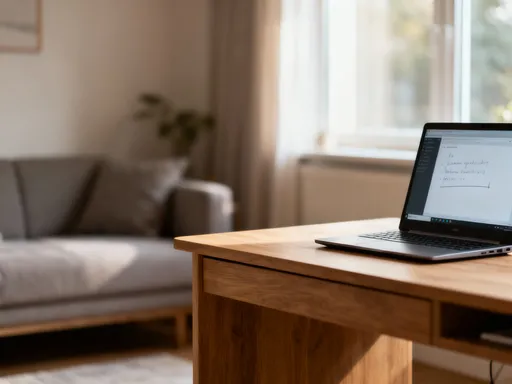
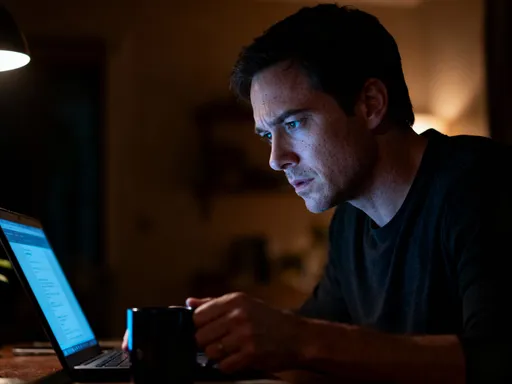
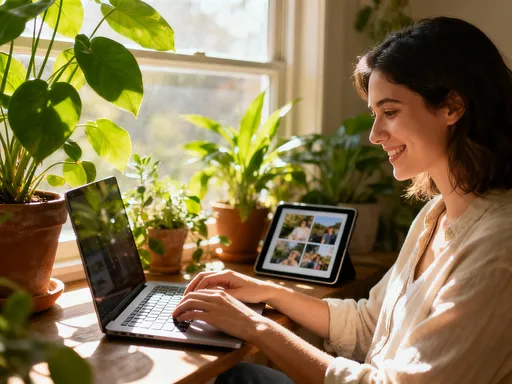
It was 1:17 a.m., and I was still hunched over my laptop, finishing a report due the next morning. The house was quiet, the kids were asleep, and the only light in the room came from my glowing screen. I blinked—hard—and for a split second, I saw dark spots floating across my vision. My heart jumped. I closed my eyes, rubbed them, and waited for the blur to fade. When I opened them again, the words on the screen seemed to swim. That’s when it hit me: this wasn’t just tiredness. My body was sending me a message, and I’d been ignoring it for years.
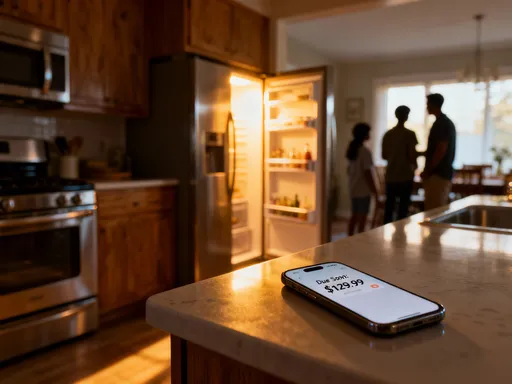
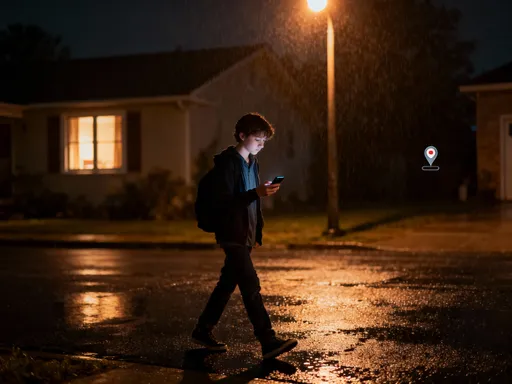
I’d grown so used to eye strain that I didn’t even notice it anymore. The dryness, the heaviness, the way my temples throbbed after hours online—it all felt normal. But in that moment, I realized something was wrong. I started paying attention. I noticed how often I’d rub my eyes during the day, how I’d squint at my phone in the dim light of the kitchen while making dinner, how I’d wake up feeling groggy even after eight hours of sleep. I began to wonder: could my screen habits be affecting more than just my eyes?
As it turns out, the answer was yes. I did some reading—during the day, with my glasses on—and learned that prolonged screen exposure doesn’t just tire your eyes. It can disrupt your sleep, lower your concentration, and even contribute to mood changes like irritability and anxiety. Blue light, especially in the evening, tricks your brain into thinking it’s still daytime, delaying the release of melatonin, the hormone that helps you fall asleep. And when you’re not sleeping well, everything else suffers—your focus, your energy, your patience with your kids, your ability to stay calm during a hectic day.
I didn’t want to give up my devices. I work from home, I manage my family’s schedule online, I unwind with shows at night. But I also didn’t want to keep feeling drained and unfocused. I needed a solution that fit into my real life, not one that asked me to live like a digital hermit. That’s when I discovered eye protection apps—and honestly, I didn’t expect much. I thought they’d be like calendar reminders: annoying pings that I’d just swipe away. But I was wrong. These apps weren’t just alerts. They were gentle guides that helped me rebuild healthier habits, one small pause at a time.
What These Apps Actually Do—And Why They’re Not Just Timers
At first glance, eye protection apps might seem like simple timer tools—pop-up reminders that say “Take a break!” every 20 minutes. And yes, the 20-20-20 rule (look at something 20 feet away for 20 seconds every 20 minutes) is a big part of what they’re based on. But these apps do so much more than just count time. Think of them as personal wellness assistants for your eyes and mind. They adapt to your day, learn your patterns, and respond to your needs in ways that feel almost thoughtful.
One of the most helpful features is automatic blue light filtering. During the day, your screen stays bright and clear, but as the sun goes down, the app gradually warms the screen’s color, reducing the harsh blue tones that interfere with sleep. It’s not a dramatic change—you don’t even notice it happening—but by 8 p.m., your screen looks softer, more like the warm glow of a lamp. That small shift makes a big difference. I used to scroll through my phone in bed, wide awake for hours. Now, I feel sleepy at a more natural time, and I don’t feel the urge to keep checking “just one more thing.”
Another feature I love is the personalized break schedule. Instead of rigid, one-size-fits-all alerts, some apps let you customize when and how often you take breaks. I set mine to remind me every 45 minutes during work hours, and the notification is gentle—a soft chime and a message like “Your eyes have been working hard. Look out the window for a minute.” Sometimes it’s just a nudge to blink, which sounds silly until you realize how often we forget to do it when we’re focused. One study found that people blink about half as often when staring at screens, which leads to dry, irritated eyes. A simple reminder to blink can actually make a noticeable difference.
Some apps even include posture alerts. If you’re leaning too close to the screen or hunching over, the app can detect it through your device’s camera (with your permission, of course) and gently suggest you sit up straight. I never thought about how my screen habits were affecting my posture until I started getting these alerts. Now, I’m more aware of how I sit, and my back and shoulders feel better too. These aren’t flashy features, but they add up. Over time, they help you build a healthier relationship with your devices—one that supports your well-being instead of draining it.
How My Mornings Changed Without Even Trying
Here’s something I didn’t expect: using an eye protection app changed my mornings. I used to wake up, grab my phone, and start scrolling—emails, news, social media—before my eyes were even fully open. By the time I got out of bed, my mind was already racing, and my eyes felt tired. I’d chug coffee just to feel alert, but the jittery energy never lasted.
Now, my phone’s screen starts the day in a softer mode. The brightness is lower, the colors are warmer, and the first notification I see isn’t an email—it’s a gentle message: “Good morning. Take a deep breath and stretch.” It sounds small, but that one change set a calmer tone for the whole day. I started putting my phone down after checking the time and spending a few minutes sipping tea by the window instead. I’d watch the birds, listen to the kids laugh in their rooms, and just… be.
The app also reminds me to take a break during my morning routine. I set a short alert for 30 minutes after I start working, which gives me time to settle in but not so long that I get locked into screen mode. When it goes off, I stand up, walk to the kitchen, refill my water, and look out the backyard. Those few minutes of movement and distance from the screen help me feel more present. I’m not just reacting to messages—I’m thinking more clearly, planning my day with intention.
And here’s the ripple effect: because I’m not straining my eyes first thing, I need less caffeine. I still enjoy my morning coffee, but I don’t rely on it to function. My focus is sharper, and I’m less likely to hit that mid-morning slump. My husband even noticed. “You seem calmer in the mornings now,” he said one day. “Like you’re actually here.” That hit me. I realized how much of my life I’d been living on autopilot, disconnected from the people and moments right in front of me. These apps didn’t just protect my eyes—they helped me reclaim my presence.
Family Life Got Easier—Especially for My Kids
When I first mentioned eye protection apps to my teenage daughter, she rolled her eyes. “Mom, I’m fine,” she said, not looking up from her phone. But a week later, she came to me and said, “My eyes feel weird. They’re dry and kind of achy.” I showed her the app, and we set it up together. I didn’t force it—just explained how it could help. We chose a friendly reminder sound and picked a break schedule that worked with her homework and social time.
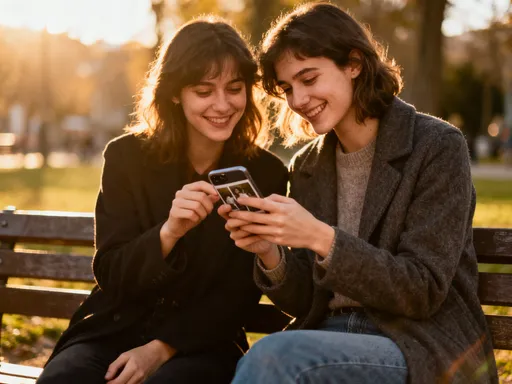
Within days, she started noticing a difference. “That ‘look away’ thing actually helps,” she admitted. “I didn’t realize how long I was staring at the screen.” She even started using the break time to text me funny memes or come downstairs to chat. What could have been another point of conflict—screen time—became a way for us to connect.
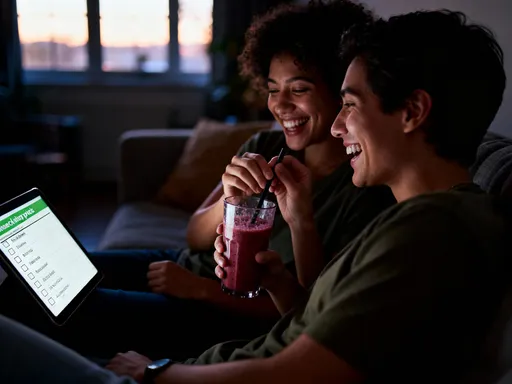
We extended the habit to the whole family. During dinner, we all turn on the app’s “focus mode,” which silences non-urgent notifications and reminds us to take a break from our devices. We call it “eye reset time.” For five minutes, we put our phones in the center of the table and just talk. Sometimes it’s about school, sometimes it’s silly jokes, sometimes it’s nothing important at all. But those moments matter. We’re not just sharing a meal—we’re sharing attention.
My younger son, who’s ten, loves the blinking challenges some apps offer. It turns eye care into a game: “Can you blink 10 times in a row without thinking about it?” He laughs, but he’s learning. He’s more aware of how his body feels when he’s been on the tablet too long. And when he says, “My eyes feel tired,” we know it’s time to switch to a book or go outside.
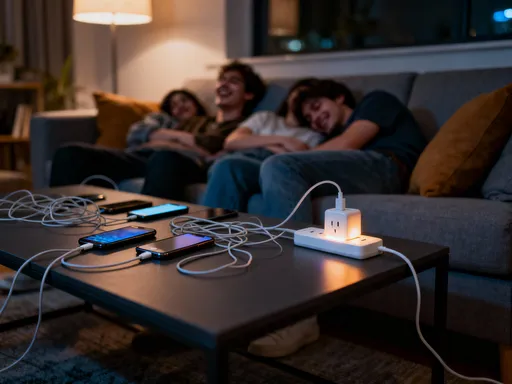
These apps didn’t fix everything—there are still arguments about screen time, and yes, someone still sneaks the phone under the covers. But overall, our home feels calmer. We’re more in tune with each other, and with ourselves. Technology isn’t the enemy. It’s how we use it that matters. And when we use it mindfully, it can actually bring us closer.
Work Smarter, Not Harder—Even During Crunch Time
I used to believe that working longer meant working better. If I had a big deadline, I’d push through—no breaks, no pauses, just me and my laptop until the job was done. The result? Exhaustion, mistakes, and a sense of dread that lingered long after the project was finished. I thought I was being productive, but I was actually burning out.
Then came a particularly intense week—three reports due, two client calls, and a family birthday to plan. I was stressed, and my eyes were paying the price. But this time, I decided to trust the app. Instead of ignoring the break reminders, I followed them. Every 45 minutes, I’d close my laptop, stand up, and do something simple: stretch my arms, walk around the living room, step outside for fresh air. Sometimes I’d just sit and breathe for a minute.
What surprised me was how much more focused I felt after each break. It wasn’t a long pause—just five minutes—but it was enough to reset my mind. I stopped rushing through tasks and started thinking more clearly. I caught errors before they became problems. I responded to emails with more patience. And I finished everything on time—without staying up late or feeling wrecked the next day.
That week taught me a valuable lesson: rest is not the opposite of productivity. It’s part of it. These micro-breaks weren’t distractions—they were performance boosters. My brain needed that downtime to process information, recharge, and stay sharp. And the app made it easy to honor that need without guilt. It wasn’t nagging me; it was supporting me. I started to see the reminders not as interruptions, but as invitations to care for myself so I could do my best work.
Now, even on high-pressure days, I don’t skip breaks. In fact, I schedule them like meetings—because they are. They’re appointments with my well-being, and they’re non-negotiable. My work hasn’t suffered. If anything, it’s improved. I’m more efficient, more creative, and more resilient. And I’m proof that you don’t have to choose between being dedicated and being healthy. You can be both.
The Unexpected Bonus: Better Sleep and a Quieter Mind
One of the most surprising benefits of using eye protection apps has been the improvement in my sleep. I’ve always been a light sleeper, and I used to wake up multiple times a night, my mind racing with to-do lists and worries. I blamed stress, hormones, aging—anything but my phone.
But when I started using the blue light filter consistently, especially in the two hours before bed, something shifted. I began to feel sleepy at a more natural time. I stopped scrolling in bed and started reading a physical book instead. The difference in sleep quality was noticeable within a week. I fell asleep faster, stayed asleep longer, and woke up feeling refreshed instead of foggy.
But it wasn’t just about sleep. The regular pauses during the day—those 20-second breaks, the blinking reminders, the moments of looking out the window—started to feel like mini meditations. I wasn’t sitting in silence for 20 minutes, but I was giving my mind small pockets of rest throughout the day. And those pockets added up.
I became more aware of my breathing, my posture, my emotions. I noticed when I was getting tense and could pause before snapping at someone. I felt calmer, more centered. It wasn’t that my life got easier—kids still spilled cereal, work still had deadlines, laundry still piled up—but my response to it all changed. I had more patience, more presence, more peace.
I realized that these apps weren’t just protecting my eyes. They were teaching me how to breathe, how to pause, how to be kinder to myself in a world that never stops moving. They didn’t add stress—they reduced it. And in a time when so many of us feel overwhelmed, that’s a gift.
Making It Stick—Simple Ways to Build This Into Your Day
I’ll be honest: I almost gave up on the app in the first week. The reminders felt annoying, the screen looked too orange at night, and I kept forgetting to turn it on. But then I reminded myself: every habit starts with discomfort. The key wasn’t perfection—it was persistence.
Here’s what helped me make it stick. First, I picked one app and stuck with it. There are lots of options out there—some built into your phone, some from trusted tech brands—but jumping between them just created confusion. I chose one that felt simple and intuitive, and I gave it a real chance.
Second, I customized it to fit my life. I didn’t use the default settings. I adjusted the break frequency, chose a reminder sound I liked (a soft chime, not a buzz), and set the blue light filter to start earlier on nights when I wanted to wind down sooner. When the app felt like it was working for me—not against me—I was more likely to keep using it.
Third, I paired screen breaks with small joys. Instead of seeing them as chores, I turned them into moments of self-care. I’d use the break to stretch, sip tea, text a friend, or just look at the sky. I even started doing a quick shoulder roll or neck stretch—tiny movements that made a big difference in how I felt by the end of the day.
And finally, I let go of guilt. Some days, I ignore the reminder. Some nights, I stay up too late on my phone. That’s okay. This isn’t about being perfect. It’s about being kind to yourself. These apps aren’t here to judge you—they’re here to help you feel better, think clearer, and live more fully.
If you’re feeling overwhelmed by screens, if your eyes are tired, if you’re not sleeping well, I encourage you to give an eye protection app a try. Not because it’s trendy, but because it works. It’s not magic. It’s not a cure-all. But it’s a small, smart tool that can make a real difference in your daily life. You don’t have to change everything at once. Just start with one pause. One blink. One moment of looking away. And from there, you might just find your way back to focus, calm, and joy.